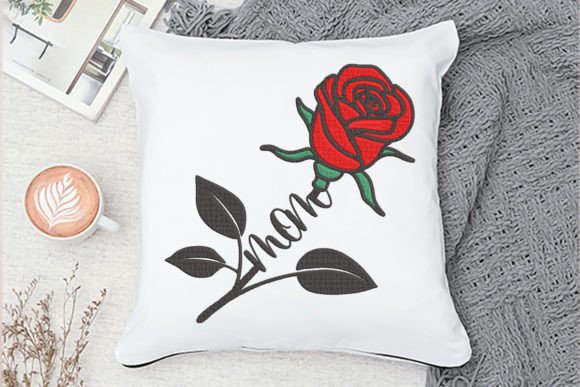
Mom Rose: A Thoughtful Embroidery Design for Meaningful Gifts
As an embroidery designer who’s developed hundreds of patterns for small shops, Etsy sellers, and custom gift studios, I approached Mom Rose with both curiosity and high expectations. This isn’t just another floral monogram—it’s a quiet, heartfelt design built for emotional resonance. When I opened the embroidery file, my first impression was warmth: soft curves, balanced negative space, and a rose that feels tender—not stiff or overly ornate. It leans classic with a gentle modern touch—neither fussy nor minimal, but deeply intentional. That balance is exactly what makes Mom Rose stand out in a crowded Mother’s Day embroidery market.
The mood is sincere and nurturing—ideal for baby embroidery, wedding gifts, and family keepsakes. It doesn’t shout; it invites. Whether stitched on a linen pillow cover or a cotton baby blanket, Mom Rose reads as handmade, thoughtful, and quietly elegant. Customers don’t just buy a design—they’re investing in a gesture. And that emotional weight matters when you’re pricing a personalized gift or listing on Etsy.
Where Mom Rose Shines Best
Mom Rose excels where intimacy and care are central to the product:
- Baby embroidery: Perfect for onesies, burp cloths, and heirloom blankets—its clean lines hold up beautifully on lightweight knits when stabilized correctly.
- Wedding gifts: Stitched onto linen napkins, embroidered towels, or a silk clutch, it adds timeless charm without competing with bridal aesthetics.
- Nursery decor: On a muslin wall hanging or a quilted pillow cover, the rose reads softly—no sharp edges, no visual clutter.
- Small shop products: For craft fairs or boutique consignment, Mom Rose elevates simple items like aprons, tote bags, and beauty cases into curated, giftable pieces.
- Etsy seller listings: Pair it with a printable mockup showing the design on multiple surfaces (towel, blanket, keychain), and watch engagement rise—shoppers instantly visualize gifting it.
What makes Mom Rose especially versatile is how gracefully it scales. At 3.5 inches wide, it fits neatly in a standard 4x4 hoop while retaining enough detail to feel special—not generic. And because it avoids ultra-fine stems or micro-petals, it holds up across fabric types without excessive re-hooping or digitizing tweaks.
Where to Use Mom Rose With Care
Even beautiful designs have boundaries—and knowing them protects your reputation as a maker. Here’s where Mom Rose needs thoughtful execution:
- Stretchy baby clothes: Knits require cutaway stabilizer + light tear-away topping. Test first—some versions of the design may pull slightly at petal tips if tension isn’t dialed in.
- Thick or textured fabric: On heavy terry cloth towels or quilted blankets, stitch density matters. If the file includes dense fill areas, consider reducing density by 5–10% for breathability and softness.
- Curved or uneven surfaces: Keychains, hair brushes, and pocket mirrors demand precise hooping and possibly adhesive stabilizer. The rose’s symmetry helps—but always do a test run before committing to a batch.
- Dark fabric: Light thread colors (ivory, blush, pale gold) will need extra underlay or a white bobbin thread pass to prevent shadowing. Check your mockups in natural light—not just screen previews.
- Frequent-wash items: Towels, baby blankets, and aprons benefit from rayon or polyester thread over cotton. Confirm your thread choice supports durability *and* colorfastness.
How Mom Rose Builds Trust and Value
In handmade markets, perceived quality drives pricing—and Mom Rose supports premium positioning. Its balanced proportions and smooth satin-stitched petals read “carefully digitized,” not “mass-produced clip art.” That signals craftsmanship to discerning buyers, whether they’re ordering a custom nursery pillow or sourcing wholesale embroidered totes for their boutique.
Photography becomes easier too. Because the design has natural flow and moderate contrast, it photographs well on neutral backgrounds—even flat-lay shots on raw linen or folded cotton. No need for heavy filters or staging tricks. That authenticity translates directly to buyer confidence: when customers see crisp, consistent stitching in your product photos, they trust your process.
And emotionally? Mom Rose connects. It’s not seasonal or trend-dependent—it’s rooted in enduring symbolism. That means your inventory stays relevant beyond Mother’s Day. Think anniversary gifts for moms, “best friend mom” tokens, or even memorial keepsakes. That longevity strengthens your brand story and reduces seasonal pressure on your digital embroidery file catalog.
Practical Notes Before You Stitch
Before launching Mom Rose into production—or listing it on your Etsy shop—here’s your quick pre-stitch checklist:
- Run a test on scrap fabric that matches your intended product (e.g., terry cloth for towels, jersey for tees).
- Verify thread color contrast—especially if using pastels on off-white fabrics. A slight tone-on-tone effect can look lovely, but only if intentional.
- Confirm the hoop size listed matches your machine’s capabilities. Some versions include multiple sizes—check the file naming convention.
- Review stitch density in the fill areas. Dense roses can stiffen delicate fabrics; sparse ones may look washed out on dark backgrounds.
- Choose the right stabilizer: cutaway for knits, tear-away for stable wovens, and fusible + topping for textured surfaces.
- Compare light and dark fabric mockups side-by-side. What reads softly on ivory may disappear on navy—adjust thread accordingly.
- Inspect small details after stitching: petal edges, stem joins, and center loops should be clean—not frayed or skipped.
- Double-check commercial licensing terms before selling finished products. Most reputable designers allow small-batch commercial use—but confirm before scaling.
Remember: Mom Rose isn’t just a machine embroidery design—it’s a quiet promise of care. When stitched thoughtfully, it transforms everyday items into heirlooms. Whether you're hand-finishing five baby blankets for a local client or uploading your 50th Etsy listing this season, let this design remind you why people choose handmade: for meaning, not mass.